
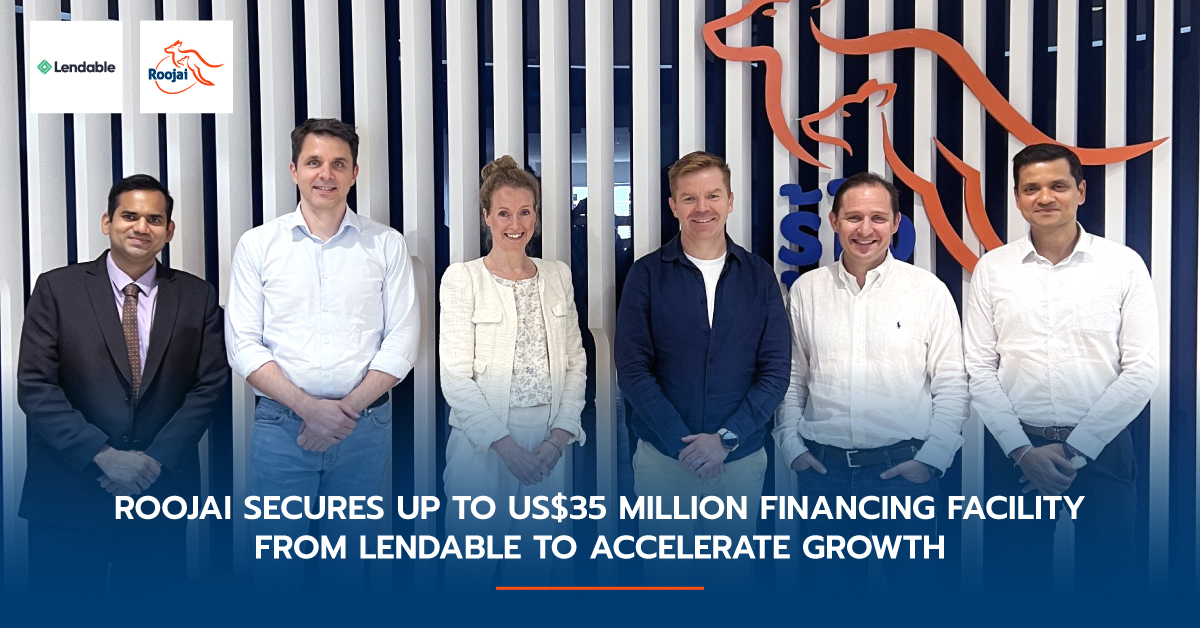
TSW Capital Services acted as adviser on a Thai Baht denominated local currency facility of up to USD 35 million raised by Roojai, a leading direct-to-consumer insurtech business in Thailand, from Lendable, the London-headquartered provider of asset-backed private credit.
The transaction
Roojai is a direct-to-consumer digital motor insurer operating in Thailand. The facility is senior debt of up to USD 35 million, denominated in Thai Baht rather than in US dollars, and was arranged with Lendable, which specialises in asset-backed private credit for technology-enabled lenders and insurers in emerging markets.
The mandate closed in November 2026 and is recorded in full on our transactions page.
Why a local currency structure matters
A business whose revenues and receivables are denominated in Thai Baht, but whose debt service falls due in US dollars, carries currency risk on every single repayment. If the Baht weakens, the real cost of the debt rises even though the underlying business has not changed. Structuring the facility in local currency removes that mismatch, so the cost of servicing the debt moves with the same currency that generates the cash to pay it.
Local currency facilities are harder to arrange than dollar facilities. They require a lender willing to hold Baht exposure or to hedge it, and they place more weight on the quality of the underlying domestic receivables, because that book is what the lender is ultimately taking a view on. For a consumer-facing business building a portfolio of local policies, that alignment is frequently the difference between a facility that is financeable and one that is not.
TSW’s role
TSW Capital Services acted as adviser on the transaction. It is our seventh closed mandate in Southeast Asia and our first in Thailand. Our Southeast Asia work spans Singapore, Thailand, Vietnam, Indonesia and the Philippines, for financial institutions and energy businesses, with mandates ranging from senior debt for a licensed bank to structured finance for an energy-as-a-service platform.
If you are raising debt in Southeast Asia and want to understand what a local currency structure would require, our debt syndication practice is the place to start, or you can get in touch directly.